monday.com Services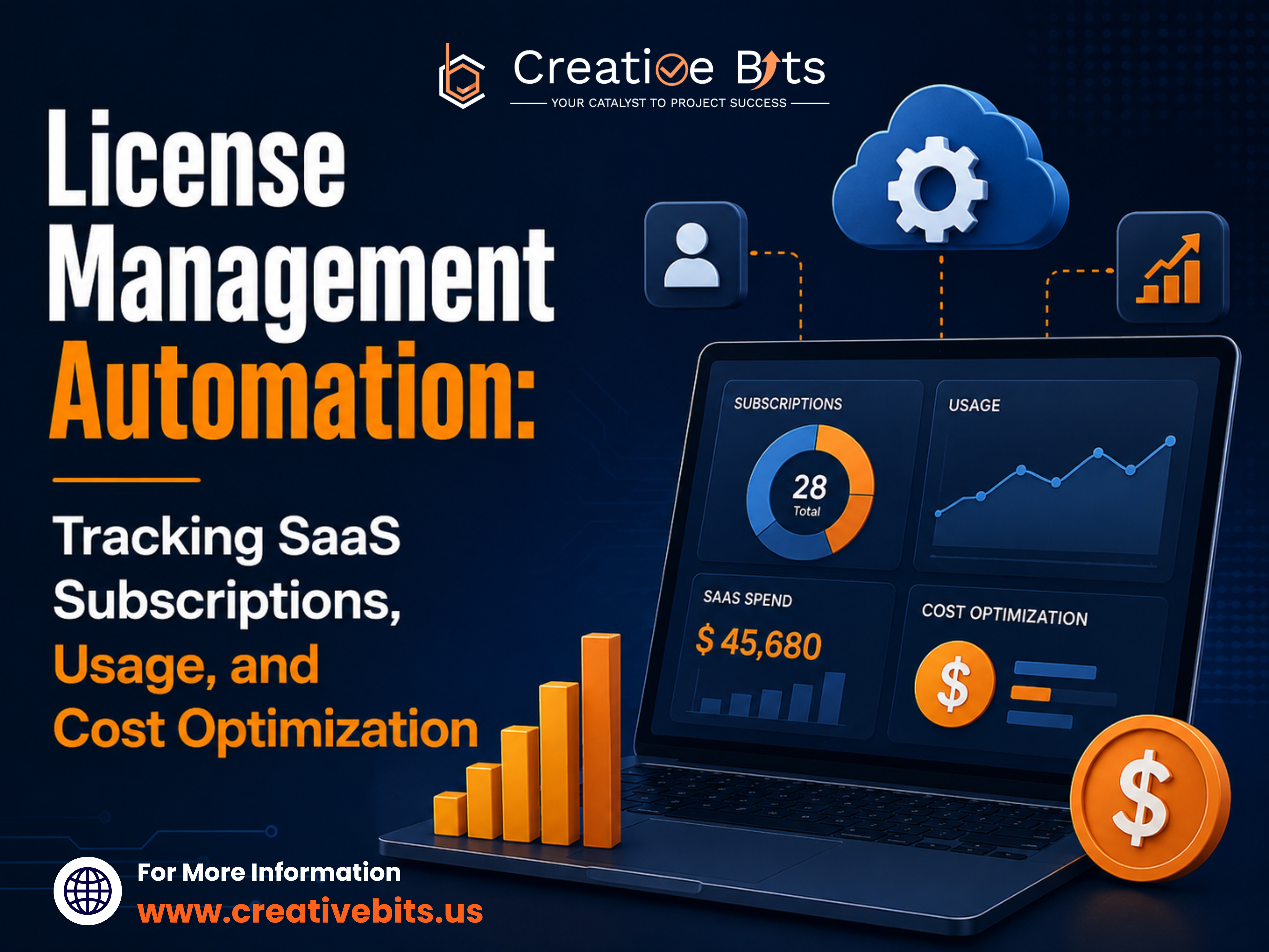
License management automation has quietly become one of the fastest ways for enterprises to recover money they are already spending. Not by cutting tools your teams rely on, but by finding the ones they don't, the idle seats, the duplicate platforms, the auto-renewals nobody flagged, and the subscriptions that quietly renew at full price every year while half the licenses sit unused.
The scale of that waste is staggering. According to Zylo's 2026 SaaS Management Index, organizations use just 54% of their SaaS licenses on average, wasting roughly $19.8 million annually on unused software. Nearly half of what enterprises pay for is going unused. And most teams cannot even see it, because they are still tracking renewals on a spreadsheet.
This is exactly the problem license management automation solves. Here is how it works, and why it has become essential in 2026.
Why Manual License Tracking Breaks Down
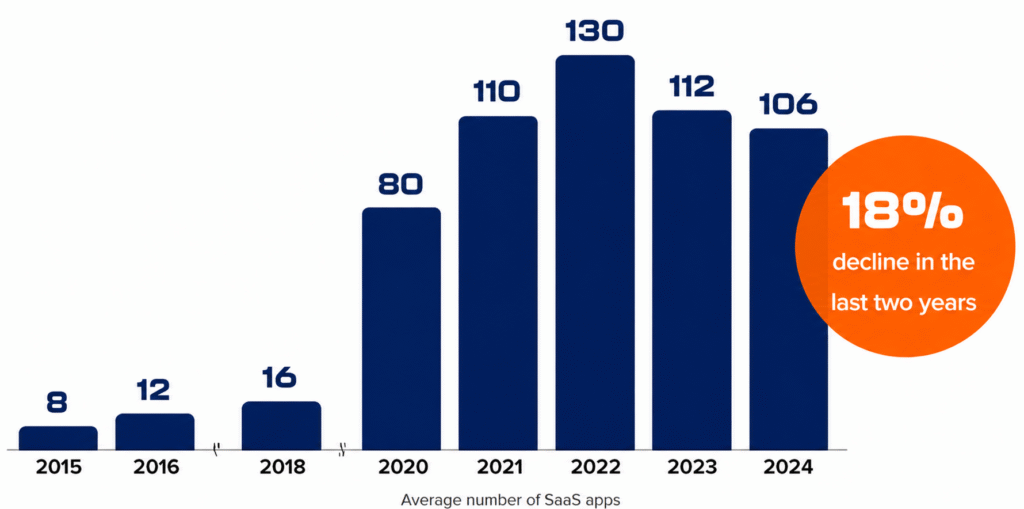
The core issue is scale. Modern software portfolios have grown far beyond what any spreadsheet can keep up with. The same 2026 index found organizations now manage an average of 305 applications and add nearly 9 new ones every month. When new tools enter the stack faster than anyone can document them, manual tracking is not just inefficient; it is impossible.
Yet manual tracking remains the norm. Industry research shows 40% of organizations still track renewal dates manually on a calendar or spreadsheet, and only a small fraction report having an effective renewal process at all. That gap is precisely where money leaks: a renewal date missed by a week becomes another year locked into a contract you meant to renegotiate.
The cost of doing nothing is climbing, too. Analysts project that unused entitlements and overlapping tools will drive 25% overspending by 2027. License management automation exists to close that gap before it widens.
The Three Pillars of License Management Automation
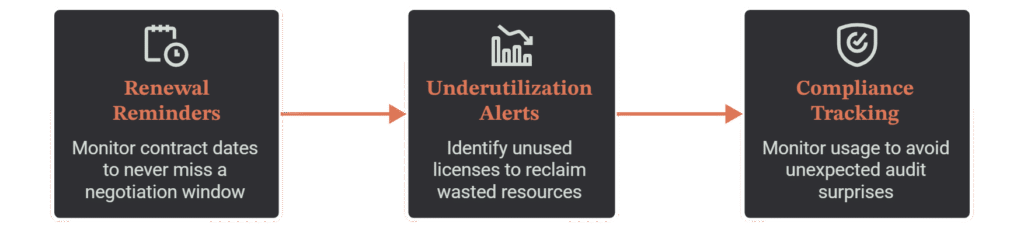
Effective automation rests on three capabilities working together: renewal reminders, underutilization alerts, and compliance tracking.
1. Renewal Reminders: Never Miss a Negotiation Window
The single most expensive moment in any SaaS contract is the renewal, because it is the only moment you can reduce what you pay. Miss it, and you are locked in for another term at full price.
Automated renewal tracking removes that risk entirely. The system maintains a live calendar of every contract, every renewal date, and every cancellation deadline, then triggers reminders weeks in advance, while there is still time to act. Instead of scrambling when an invoice appears, your team walks into each renewal prepared, with usage data in hand to negotiate from a position of strength. As we explored in Decision Fatigue Economics, removing time-pressured decisions from your team's plate consistently produces better outcomes.
2. Underutilization Alerts: Reclaim What You're Not Using
This is where the biggest savings live. Automation continuously matches what you are paying for against what is actually being used, last login timestamps, feature usage, active seats, and surfaces the gaps automatically.
The common waste patterns are remarkably predictable. Automated systems flag licenses where users haven't logged in for 60 to 90 days, power-user tiers assigned to people doing basic-user work, and overlapping tools that duplicate each other, such as running two video platforms or three project management tools side by side. Once these are visible, the response is simple: reclaim the idle seats, downgrade the over-provisioned ones, and consolidate the redundant tools. Each action turns directly into recovered budget.
Departures are a particularly costly blind spot. When employees leave, their licenses often stay active for months. Automation tied to your systems can flag or reclaim those seats the moment someone offboards, closing a leak most organizations never even measure.
3. Compliance Tracking: Avoid the Audit Surprise
Underusing licenses wastes money. Overusing them creates legal and financial risk. If your actual usage exceeds your entitlements, you are exposed to true-up charges and compliance penalties that can dwarf the original subscription cost.
Automated compliance tracking keeps a continuous, accurate record of entitlements versus actual consumption across every application. It alerts you before you drift out of compliance, not after a vendor audit does. For enterprises in regulated industries, this continuous visibility is not just a cost lever; it is a risk-management necessity.
Turning Data Into Decisions
Visibility alone is not the goal. The point of license management automation is better decisions. As one industry analysis puts it, raw usage data tells you what is happening, while insight tells you what to do about it. The real value comes from connecting usage to business context, what a tool costs, which department it belongs to, and whether it is worth renewing at all.
That insight powers the three highest-impact levers in software spend: reclamation (taking back what is unused), reallocation (moving licenses to people who need them), and renegotiation (entering renewals armed with data). Automation makes all three continuous rather than once-a-year scrambles, which is what separates organizations that control SaaS spend from those it quietly controls.
What This Means for Your Operations in 2026
For mid-market enterprises especially, this is some of the lowest-hanging fruit in the entire operations budget. You are not cutting capabilities or asking teams to do more with less. You are simply stopping payment for things nobody uses, and that recovered budget can fund the tools and initiatives that genuinely drive growth.
The Takeaway
You cannot optimize what you cannot see. And you cannot manually keep track of 305 applications growing by 9 every month.
License management automation gives you that visibility, then acts on it: reminding you before renewals, flagging what is going unused, and keeping you compliant before an audit does it for you. With nearly half of all SaaS licenses sitting idle, the question is not whether there is waste to recover. It is how much and how soon you will start.
Are you ready to see what your software stack is actually costing you?
At Creative Bits, we help mid-market enterprises automate license tracking, renewals, and usage monitoring through smart workflow automation, turning scattered subscriptions into a clear, optimized, and cost-efficient system.
👉 Book a strategy session with our team to map your SaaS cost-optimization opportunities.